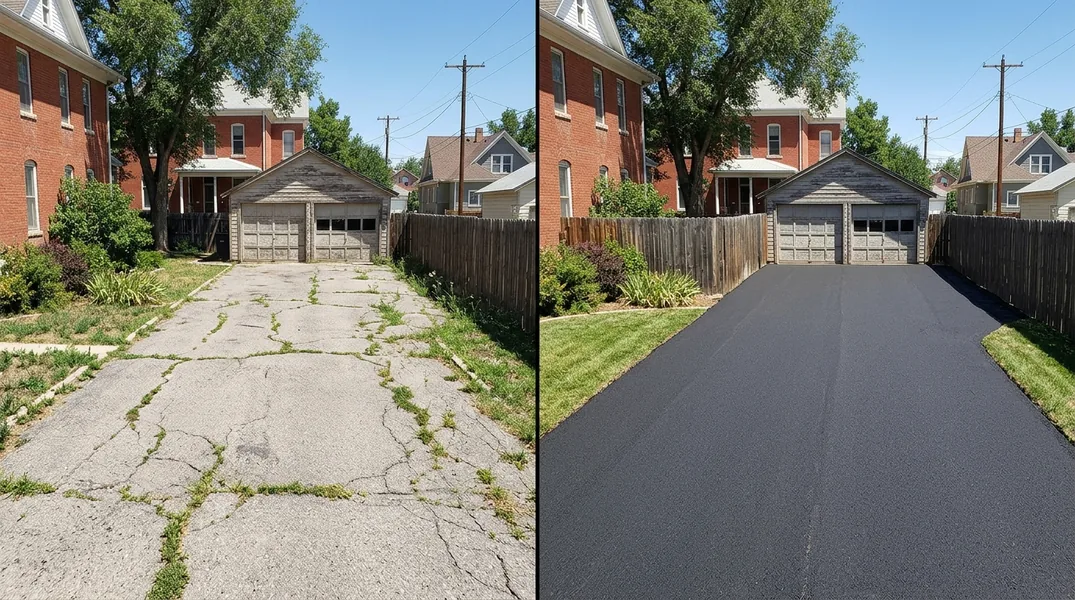
How Long for Asphalt to Cure: Understanding the Timeline
When you invest in Asphalt Driveway Paving & Installation in Pueblo, one of the first questions homeowners ask is how long the asphalt needs to cure before it's ready for regular use. The answer depends on several factors, including temperature, humidity, and the specific mix used by your contractor. Generally speaking, new asphalt reaches initial strength within 24 to 48 hours, but full curing typically takes 6 to 12 months.
During the first 24 hours, the asphalt is still soft and vulnerable to damage. The binder (the glue that holds the aggregate together) is still settling and hardening. Even light traffic during this period can leave tire marks or create indentations that may never fully disappear. Weather conditions play a significant role in this timeline. Cooler temperatures slow the curing process, while warmer weather accelerates it. If you've had your driveway paved during Pueblo's cooler months, expect the curing process to take longer than if it were installed during summer.
How Long Before You Can Drive on New Asphalt
The question of how long before you can drive on new asphalt is crucial for homeowners planning their driveway installation around their daily schedules. While the asphalt may feel firm after 24 hours, it's not yet ready for regular vehicle traffic. Most asphalt contractors, including those serving Pueblo, recommend waiting a minimum of 48 to 72 hours before driving on newly paved asphalt. This gives the surface enough time to develop the structural integrity needed to support vehicle weight without permanent damage.
However, waiting longer is always better. If you can avoid driving on your new driveway for a full week, you'll give the asphalt an even better foundation for long-term durability. During this waiting period, keep children and pets off the surface as well. Even foot traffic can leave marks or damage the still-curing material. If you must drive on the driveway before the full curing period, do so slowly and carefully, avoiding sharp turns or sudden acceleration that could stress the surface. Pueblo Asphalt Paving recommends discussing your specific timeline with your contractor before installation so you can plan accordingly and protect your investment.
New Asphalt Driveway Care: The First Critical Weeks
Proper new asphalt driveway care during the first few weeks after installation sets the tone for the driveway's entire lifespan. Beyond simply avoiding traffic, there are several active steps you should take to protect your investment. Avoid parking heavy vehicles or RVs on the new surface for at least the first two weeks. The weight can create permanent depressions, especially if the asphalt hasn't fully cured. Similarly, keep away from the driveway during hot weather if possible, as extreme heat can soften the asphalt and make it more susceptible to damage.
One critical aspect of new asphalt driveway care is monitoring for any soft spots or areas that seem to be developing prematurely. If you notice areas that feel unusually soft or are developing cracks within the first few weeks, contact your contractor immediately. This could indicate a problem with the installation or material that needs addressing while the warranty is still active. Additionally, avoid using harsh cleaning methods or pressure washers on new asphalt for at least 90 days. The surface is still bonding internally, and aggressive cleaning can damage the seal. When you do clean your driveway, use a soft broom or gentle rinse with a garden hose.
When to Seal Your Driveway: Timing and Frequency
One of the most important questions homeowners ask is how often to seal driveway surfaces to maintain their investment. Sealing is a protective layer that shields the asphalt from UV rays, moisture, and oxidation. For new asphalt, most professionals recommend waiting 6 to 12 months before applying the first seal coat. This waiting period allows the asphalt to fully cure and any excess oils to dissipate. Sealing too early can trap moisture or create adhesion problems that reduce the effectiveness of the sealant. Once you've waited the appropriate time, your first seal coat will provide crucial protection as your driveway enters its most vulnerable phase.
After that initial seal coat, how often to seal driveway surfaces depends on several factors, including climate, traffic volume, and weather exposure. In Pueblo, where we experience temperature fluctuations and occasional harsh weather, most homeowners benefit from resealing every 2 to 3 years. This regular maintenance prevents water penetration, extends the life of your asphalt by years, and keeps your driveway looking fresh and new. The investment in regular sealing is minimal compared to the cost of major repairs or Asphalt Resurfacing & Overlay work down the road.
Preparing Your New Driveway for Pueblo's First Winter
If your new asphalt driveway is installed in late summer or early fall, preparing it for Pueblo's winter weather is essential. Winter presents unique challenges for asphalt, including freeze-thaw cycles that can create cracks and potholes. Before winter arrives, ensure your driveway has been sealed (after the appropriate curing period). This seal coat is your first line of defense against moisture that can seep into small cracks and expand when it freezes, causing damage. Additionally, make sure your driveway has proper drainage. Water should flow away from the surface and not pool in any areas, as standing water accelerates winter damage.
When winter does arrive, be cautious with snow removal and de-icing products. Avoid using rock salt directly on new asphalt, as it can damage the surface and accelerate deterioration. Instead, use sand for traction or consider calcium chloride, which is gentler on asphalt. When shoveling snow, use a plastic shovel rather than a metal one to avoid scraping the surface. If you notice any cracks or damage appearing during winter, contact a professional for Pothole Repair & Asphalt Patching services as soon as possible. Small issues caught early are much less expensive to fix than major damage that develops from water intrusion over multiple freeze-thaw cycles.
Professional Maintenance Near Me: When to Call Pueblo Asphalt Paving
While understanding how to care for your new asphalt driveway is important, knowing when to call a professional is equally critical. If you notice any unusual soft spots, premature cracking, or areas where the surface seems to be failing within the first year, contact Pueblo Asphalt Paving immediately at (719) 299-3298. Many installation issues are covered under warranty, but you need to report them promptly. Additionally, if you're unsure about your sealing schedule or whether your driveway needs maintenance, a professional inspection can provide peace of mind and save you money in the long run.
Pueblo Asphalt Paving serves the entire Pueblo area and is ready to help with any questions about your new driveway's care and maintenance. Whether you need advice on timing your first seal coat, want a professional inspection, or are ready to discuss maintenance options, we're here to help. Reach out for a free estimate or to discuss your driveway's specific needs. Investing in proper care now will keep your asphalt looking beautiful and performing well for years to come.
Looking for a professional asphalt paving contractor in Pueblo? Pueblo Asphalt Paving responds fast for all your asphalt paving needs.
Get a Free Quote